

Microsoft’s TPM piracy crackdown is one of the most significant shifts in Windows licensing enforcement in years. Starting August 2026, the company is binding its Key Management Service (KMS) activation infrastructure to TPM 2.0 hardware attestation — making it far harder to spoof a legitimate activation using rogue or virtualised KMS servers. Whether you run an IT department or you’ve just bought a refurbished laptop, here’s everything you need to know.
What Is the TPM Piracy Crackdown, Exactly?
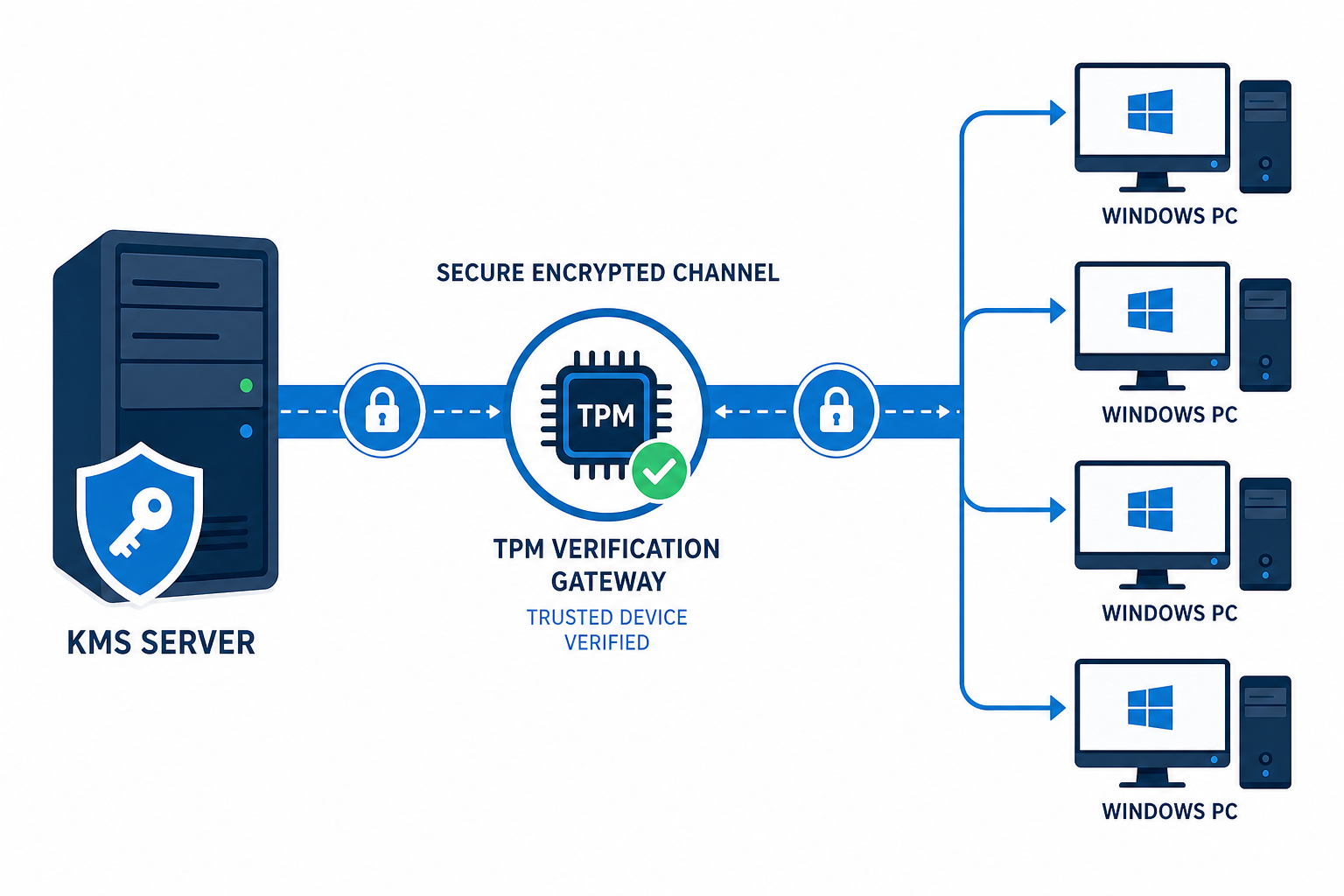
Microsoft has introduced a feature called KMS Hardware-Secured, which requires KMS host servers to possess a functioning TPM 2.0 chip and pass a hardware attestation check before they can activate Windows clients on a network. According to Microsoft’s official IT Pro Blog post on the change, the rollout of notices begins in August 2026, with enforcement tightening progressively through the end of the year.
This is not simply a software patch. The TPM chip — a dedicated cryptographic microcontroller soldered onto modern motherboards — issues a signed attestation that Microsoft’s activation servers can verify remotely. Because each TPM has a unique Endorsement Key baked in at manufacture, a fake or virtualised KMS server cannot forge that signature. The hardware becomes the source of truth.
KMS Anti-Piracy: Why Microsoft Is Acting Now
KMS (Key Management Service) has been the activation backbone for enterprise Windows deployments for over a decade. In a legitimate setup, an organisation runs an internal KMS host that activates all domain-joined machines against a volume licence agreement. The problem is that the same infrastructure can be imitated: piracy networks have long distributed counterfeit KMS tools — often called “KMS activators” — that mimic a genuine host and push fake activation tokens to individual PCs.
Microsoft estimates that a significant portion of pirated Windows installations in enterprise environments are enabled not by cracked software but by these rogue KMS servers. By requiring TPM attestation on the host side, the company closes the loop: without a real, TPM-verified machine running the KMS role, no activation token can be generated that Microsoft’s cloud will accept.
- Fake KMS activators — standalone tools that simulate a KMS server locally on a single PC — are the primary target.
- Rogue KMS hosts deployed inside corporate networks to activate hundreds of machines on a single pirated volume key are also squarely in scope.
- Home users running consumer Windows editions via retail or OEM keys are largely unaffected by this specific change.
Does the TPM Windows License Change Affect Home Users?
This is where a lot of headlines have overreached. The KMS Hardware-Secured requirement applies to KMS-based volume activation, which is an enterprise mechanism. If you activate Windows 11 Home or Pro using a standard retail or OEM key — the kind you’d buy from a legitimate digital reseller — your activation path goes through Microsoft Activation Servers (MAS) or the older Multiple Activation Key (MAK) system, neither of which is affected by the KMS TPM change.
That said, there are indirect effects worth understanding:
- Anyone currently using a KMS-based activator tool on a home PC will find that tool increasingly unreliable as Microsoft’s detection improves through 2026.
- Refurbished PCs sold with a pre-activated Windows installation should be scrutinised: if the seller cannot provide a valid product key, the activation may be KMS-based and could break.
- The broader signal from Microsoft is clear — hardware-level enforcement is the direction of travel. Future Windows releases are likely to lean further into TPM-bound licensing.
What Is TPM 2.0 and Why Does It Matter for Activation?
TPM 2.0 (Trusted Platform Module version 2.0) is a standardised security chip defined by the Trusted Computing Group. It stores cryptographic keys, certificates, and measurements of the platform’s boot state in tamper-resistant hardware. Windows 11 already made TPM 2.0 a hard system requirement back in 2021 — a decision that seemed controversial at launch but now looks like deliberate groundwork for exactly this kind of enforcement.
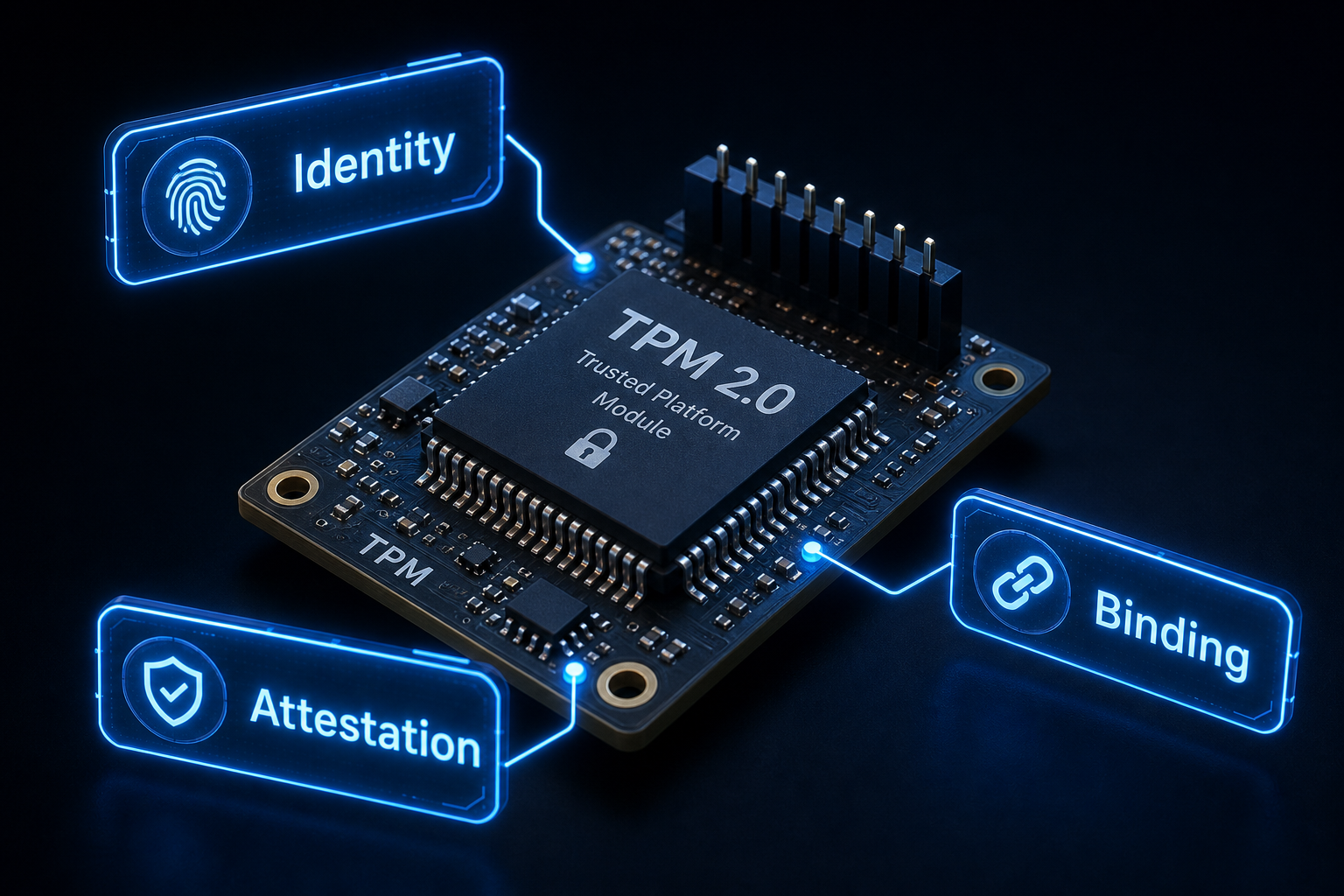
In the context of Windows activation fraud, the chip plays three key roles:
- Identity: Each TPM holds a unique Endorsement Key (EK) that cannot be cloned or virtualised convincingly.
- Attestation: The TPM can generate a signed report proving the machine’s hardware state matches what Microsoft expects of a genuine KMS host.
- Binding: Activation tokens can be cryptographically bound to a specific TPM, meaning they cannot be transferred to a different machine.
Together, these properties make TPM 2.0 a formidable barrier against the most common forms of KMS anti-piracy circumvention.
Impact on IT Departments and Corporate Deployments
If your organisation runs an on-premises KMS host for Windows volume activation, you will need to act before August 2026 notices arrive. The key requirements are:
- Your KMS host machine must have a functional TPM 2.0 chip that is enabled in UEFI/BIOS.
- The host must be running a supported Windows Server or Windows 11 build that supports the KMS Hardware-Secured feature.
- Your volume licence agreement must be in good standing — the TPM change does not replace licence compliance, it enforces it.
Organisations using cloud-based activation via Azure AD or Microsoft 365 licensing are largely insulated from this specific change, since those paths already use identity-based enforcement rather than on-premises KMS. However, hybrid environments with legacy KMS infrastructure should schedule an audit now, well before enforcement begins in earnest.
IT admins managing large fleets should also revisit any VM-based KMS hosts. Virtualised TPMs (vTPM) exist in Hyper-V and other hypervisors, but Microsoft has indicated that attestation strength requirements may tighten further, so physical KMS hosts with a hardware TPM are the safer long-term bet.
The TPM Piracy Crackdown and Refurbished Hardware
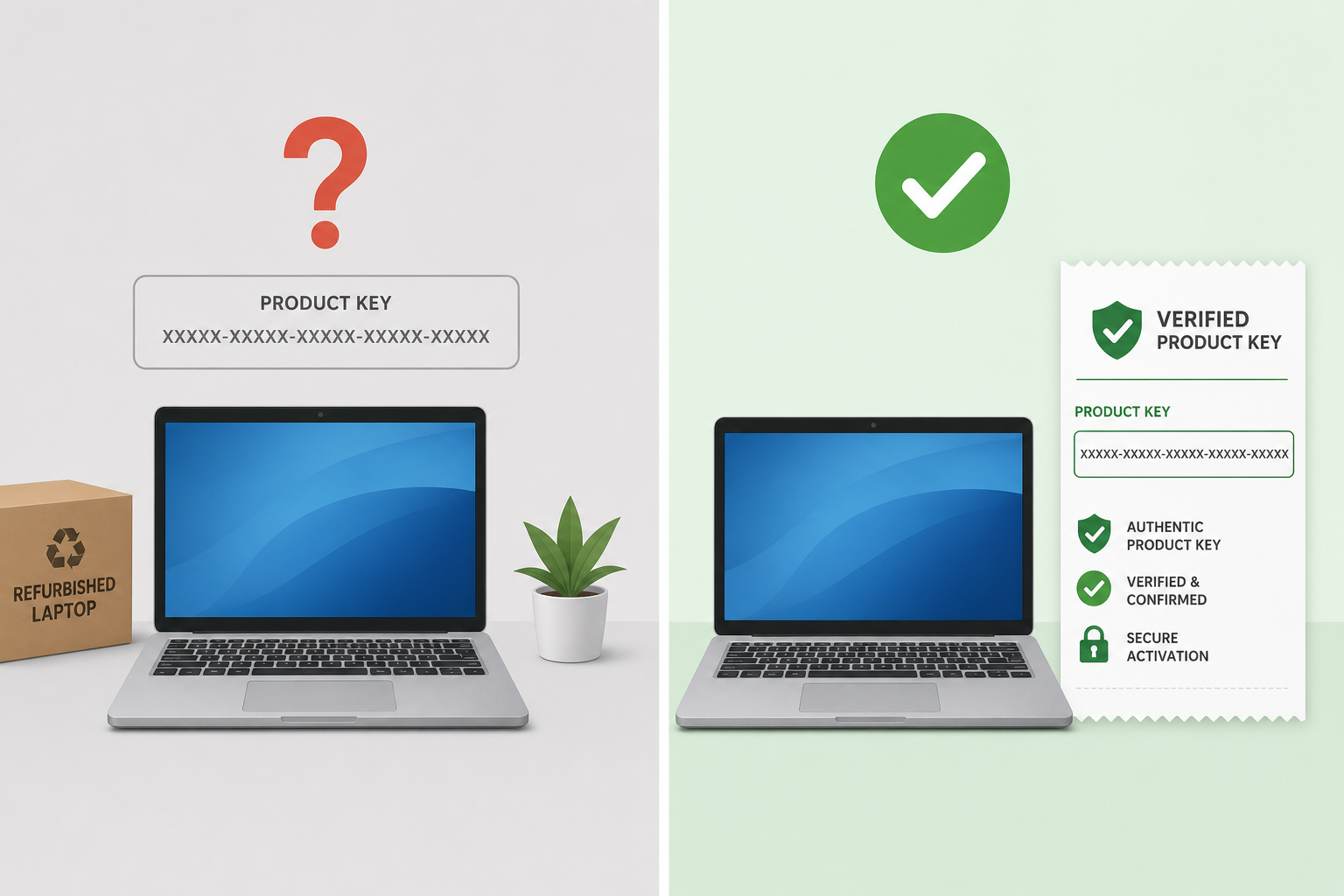
The refurbished PC market is a notable grey area. Millions of machines sold through secondary markets carry Windows licences that were originally tied to a corporate volume agreement. When those machines leave the enterprise and land with a home user or small business, the activation state can be fragile.
The safest approach is always to ensure any refurbished PC comes with a genuine transferable licence — either an OEM key bound to the hardware, or a retail key that the previous owner has transferred to you. If a refurbished seller cannot tell you which type of licence the machine carries, treat that as a red flag.
How to Make Sure Your Windows Licence Is Legitimate
Avoiding the fallout from Microsoft’s ongoing KMS anti-piracy push is straightforward: use a genuine licence from a reputable source. Here’s a quick checklist:
- Always buy from a seller who can provide a valid product key and an official Microsoft download link.
- Activate through the official Windows Settings activation panel — if your key is rejected, it is not genuine.
- Avoid any tool, website, or seller promising a “free” or “permanent” activation without a product key.
- Check your activation status at any time: go to Settings → System → Activation and look for “Windows is activated with a digital licence linked to your Microsoft account.”
For home users, a genuine Windows 11 Pro OEM licence from ShopKeyOnline is one of the most cost-effective ways to ensure your machine stays legitimately activated as Microsoft tightens its enforcement throughout 2026 and beyond. OEM licences use the MAK activation path — entirely separate from the KMS infrastructure now under scrutiny — so they are unaffected by the TPM attestation changes described in this article.
TPM Windows License: What Changes Are Still Coming?
Microsoft has been transparent that this is a phased rollout. The published timeline runs broadly as follows:
- August 2026: Notifications begin appearing on KMS hosts that do not meet the TPM attestation requirement. Activation continues to function but warnings are issued.
- Later 2026: Enforcement steps up; non-compliant KMS hosts may see activation failures for client machines.
- 2027 and beyond: Broader hardware-binding features are expected as Windows 12 / Windows K2 development progresses, likely expanding TPM-bound activation to more licence types.
The pattern mirrors how Microsoft handled the Windows 11 TPM 2.0 hardware requirement — announced with a grace period, initially bypassed by many, then progressively enforced until the workarounds stopped working reliably.
Frequently Asked Questions
Does Microsoft’s TPM piracy crackdown affect my home PC?
If you activate Windows with a standard retail or OEM product key, the August 2026 changes do not directly affect you. The KMS Hardware-Secured requirement targets enterprise volume activation servers, not individual consumer activations. However, if you are using a KMS-based activator tool — which is piracy — your activation is at greater risk of being invalidated as Microsoft’s detection improves.
What is Windows activation fraud, and how does TPM stop it?
Windows activation fraud in the enterprise context typically involves setting up a fake KMS server that generates invalid activation tokens without a legitimate volume licence. TPM 2.0 attestation stops this by requiring the KMS host to prove its hardware identity cryptographically. A virtualised or software-only fake server cannot produce a valid TPM attestation, so Microsoft’s activation infrastructure rejects it.
Do I need to upgrade my KMS host hardware?
If your existing KMS host machine has a functional TPM 2.0 chip and is running a supported OS build, you may not need new hardware. Check that TPM 2.0 is enabled in your UEFI settings and that it appears correctly in Windows Device Manager under Security Devices. If your host is running on a VM, consider migrating the KMS role to a physical machine with a hardware TPM before enforcement begins.
Is an OEM Windows key safer than a retail key in light of these changes?
Both OEM and retail keys use activation paths that are entirely separate from KMS and are not affected by the TPM attestation crackdown. The key difference between them is transferability: retail licences can be moved to a new PC, while OEM licences are tied to the original hardware. For most home users, either type is perfectly safe from a compliance standpoint.
Will Windows 10 licences be affected by the TPM crackdown?
The KMS Hardware-Secured feature is being rolled out on modern Windows builds and Windows Server editions. Windows 10 volume activation environments using KMS are subject to the same requirements if the KMS host does not have TPM 2.0 attestation support. Given that Windows 10 reaches end of support in October 2026, this is an additional reason to plan your migration to Windows 11 now.
